
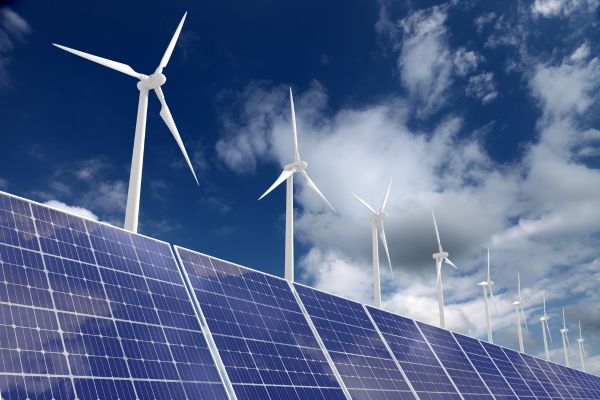
The conversation around energy has changed dramatically over the past decade. What once felt like a distant environmental concern has become part of everyday life, shaping how cities are built, how cars are powered, and even how households manage electricity bills. At the center of this shift is renewable energy technology, a field evolving so quickly that new breakthroughs seem to appear every few months.
For years, renewable energy was often viewed as expensive, unreliable, or dependent on perfect weather conditions. That perception is fading. Advances in engineering, artificial intelligence, battery science, and infrastructure design are making clean energy more practical and accessible than ever before. Solar panels are more efficient, wind turbines are larger and smarter, and entire communities are beginning to operate on cleaner power grids.
What makes this moment particularly interesting is that renewable energy technology is no longer just about replacing fossil fuels. It is also about rethinking how energy is generated, stored, distributed, and consumed. The innovations emerging today are changing industries in ways that feel both highly technical and surprisingly human.
The Growing Importance of Renewable Energy
Energy demand continues to rise across the globe. Expanding cities, digital infrastructure, electric vehicles, and modern manufacturing all require enormous amounts of power. Traditional energy systems, heavily dependent on coal, oil, and natural gas, have struggled to balance growing demand with environmental responsibility.
Renewable sources such as solar, wind, hydroelectric, geothermal, and biomass offer an alternative path. Unlike fossil fuels, these resources naturally replenish themselves. More importantly, they can significantly reduce greenhouse gas emissions when integrated effectively into national energy systems.
Climate concerns are a major reason governments and industries are investing heavily in clean energy infrastructure. Extreme weather events, rising global temperatures, and air pollution have made sustainability a practical issue rather than a theoretical one. Yet economics also plays a huge role. Renewable energy technology is becoming cheaper, more scalable, and increasingly competitive with conventional power generation.
In some regions, solar and wind power are now among the least expensive sources of electricity available. That shift has changed the conversation entirely.
Solar Technology Is Becoming Smarter
Solar power remains one of the most recognizable forms of renewable energy, but modern solar systems are far more advanced than the rooftop panels many people picture.
One of the biggest developments involves photovoltaic efficiency. Researchers are designing solar cells capable of converting more sunlight into electricity while using fewer materials. Perovskite solar cells, for example, have attracted enormous attention because they promise higher efficiency at lower manufacturing costs. While still developing commercially, they represent a major leap forward.
Another fascinating innovation is transparent solar technology. Scientists are experimenting with solar panels that can function as windows. Imagine skyscrapers capable of generating electricity simply through their glass surfaces. It sounds futuristic, yet prototypes already exist.
Solar tracking systems are improving as well. Instead of remaining fixed in one direction, newer solar installations follow the sun’s movement throughout the day, increasing energy production. Artificial intelligence is also helping optimize solar performance by predicting weather patterns and adjusting system behavior automatically.
Even residential solar systems are evolving. Homeowners can now monitor energy production through mobile apps, store unused electricity in compact battery units, and sometimes sell excess power back to the grid.
The overall experience feels more integrated and user-friendly than it did even a few years ago.
Wind Energy Is Reaching New Heights
Wind power has undergone a quiet transformation. Early turbines were relatively small and limited in output. Today’s offshore wind farms feature enormous turbines taller than many skyscrapers, capable of powering thousands of homes individually.
Offshore wind technology is especially important because ocean winds tend to be stronger and more consistent than those on land. Floating wind turbines are now being tested in deeper waters where traditional fixed foundations are impractical. This opens entirely new regions for clean energy development.
Engineers are also solving older challenges associated with wind farms. Noise reduction systems, bird-safe turbine designs, and predictive maintenance software are making installations more efficient and less disruptive.
Data analytics now plays a major role in wind energy operations. Sensors attached to turbine blades collect real-time information about performance, weather conditions, and structural stress. This allows operators to detect problems before they become serious, reducing downtime and maintenance costs.
One interesting aspect of modern renewable energy technology is how digital systems increasingly work alongside physical infrastructure. Wind farms today operate almost like intelligent networks rather than isolated machines.
Energy Storage Is Changing the Entire Industry
One of the most significant barriers to renewable energy has always been storage. Solar panels do not generate electricity at night, and wind turbines cannot operate without wind. Reliable storage solutions are essential if renewable energy is to provide consistent power.
Battery technology has improved rapidly in response to this challenge. Lithium-ion batteries dominate the market today, but alternatives are emerging. Solid-state batteries, sodium-ion batteries, and flow batteries could eventually offer safer, cheaper, and longer-lasting storage options.
Large-scale battery farms are already supporting national power grids in several countries. These facilities store excess renewable energy during peak production hours and release it when demand rises.
What makes energy storage so important is its flexibility. It allows renewable sources to function more reliably and reduces dependence on backup fossil fuel plants.
Some researchers are even exploring unusual storage methods. Gravity-based systems, compressed air storage, and green hydrogen production are all being developed as long-term energy solutions. In certain cases, excess renewable electricity is used to split water into hydrogen and oxygen, creating hydrogen fuel that can later generate electricity again.
The idea sounds complicated, but it reflects a broader truth about renewable energy technology: innovation is happening on multiple levels at once.
Smart Grids and Artificial Intelligence
Traditional electrical grids were designed for one-way power distribution. Electricity flowed from large power plants to homes and businesses in a predictable pattern. Renewable energy systems are far more decentralized, requiring smarter infrastructure.
This is where smart grids come into play.
Smart grids use digital communication systems to manage electricity demand and supply in real time. They can detect outages, balance energy loads, and integrate renewable sources more efficiently. Consumers may not always notice these systems directly, but they influence everything from electricity pricing to grid reliability.
Artificial intelligence is making these systems even more sophisticated. Machine learning algorithms analyze energy consumption patterns, forecast weather conditions, and predict fluctuations in renewable power generation.
For example, an AI-powered grid might anticipate a cloudy afternoon that reduces solar output and compensate by adjusting battery storage or redistributing electricity from another region.
These systems help reduce waste and improve efficiency across the entire energy network.
Electric Transportation and Clean Energy Integration
Transportation is becoming closely linked with renewable energy development. Electric vehicles are not only changing how people travel but also influencing how energy systems operate.
Charging infrastructure is expanding rapidly, and many charging stations now integrate solar panels or renewable grid connections. Some experts believe electric vehicles could eventually function as mobile energy storage units.
Vehicle-to-grid technology allows electric cars to send stored electricity back into the power grid during periods of high demand. In theory, millions of connected vehicles could help stabilize national energy systems.
Public transportation is evolving as well. Electric buses, hydrogen-powered trains, and renewable-powered shipping systems are gradually becoming more common.
The transition is not happening evenly everywhere, of course. Infrastructure challenges, cost barriers, and policy differences still slow adoption in many regions. Even so, the direction is becoming increasingly clear.
Challenges Facing Renewable Energy Technology
Despite rapid progress, renewable energy technology still faces serious obstacles.
Supply chain concerns remain significant. Manufacturing solar panels, batteries, and wind turbines requires rare earth minerals and specialized materials that can be expensive or difficult to source sustainably.
Grid modernization is another challenge. Many existing energy systems were not designed for decentralized renewable generation. Updating infrastructure requires massive investment and long-term planning.
Weather dependency also remains a practical concern. Even with advanced storage systems, extreme weather events can disrupt renewable energy production.
Political uncertainty sometimes complicates development too. Energy policy can shift dramatically depending on leadership changes, economic pressures, or international conflicts.
There is also the issue of public perception. While support for renewable energy is generally high, local opposition sometimes emerges around land use, visual impact, or environmental concerns related to large infrastructure projects.
Innovation alone cannot solve every challenge overnight. Social, economic, and political factors matter just as much.
The Human Side of Green Technology
One of the more interesting aspects of the clean energy transition is how personal it has become. Renewable energy technology is no longer confined to research labs or industrial projects. It increasingly shapes ordinary daily experiences.
People install solar panels on family homes. Communities invest in local microgrids. Farmers lease land for wind turbines. Schools teach students about sustainability as part of standard science education.
There is a growing sense that energy systems are becoming more participatory. Consumers are turning into producers in small but meaningful ways.
At the same time, younger generations often view clean energy not simply as an environmental necessity but as a cultural expectation. Sustainability is becoming woven into architecture, transportation, product design, and urban planning.
The technology itself matters, of course. But so does the broader shift in mindset.
Conclusion
Renewable energy technology has moved far beyond its early experimental phase. What was once considered an alternative energy source is steadily becoming part of the global mainstream. Advances in solar efficiency, offshore wind systems, energy storage, smart grids, and electric transportation are reshaping how societies think about power generation and sustainability.
The transition is not perfectly smooth, and many technical and economic challenges remain. Yet the pace of innovation suggests that clean energy systems will continue to expand and improve over the coming decades.
Perhaps the most remarkable aspect of this transformation is how interconnected everything has become. Energy is no longer just about power plants and utility companies. It now touches transportation, architecture, digital infrastructure, agriculture, and everyday household decisions.
As renewable technologies continue to evolve, they are likely to influence not only how energy is produced but also how modern life itself is organized.