
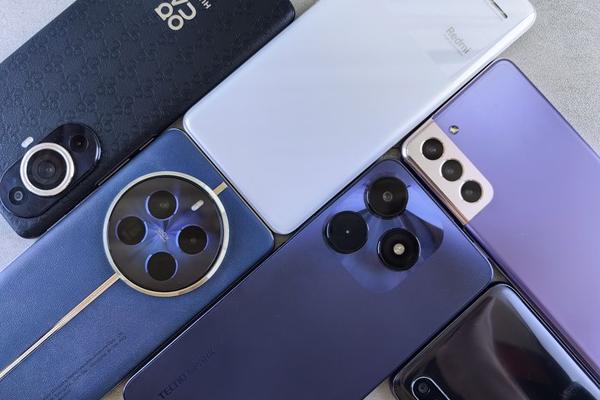
Camera hardware is one of the clearest ways flagship phones separate themselves in 2026. The best models are no longer competing on megapixels alone; they combine larger sensors, brighter lenses, longer zoom ranges and increasingly sophisticated computational photography. For UK buyers, the right choice depends as much on how you shoot as on the specification sheet.
A strong camera phone should deliver reliable colour, controlled highlights, useful zoom and clean low-light images without demanding constant editing. Video matters too, especially for creators who want one device for stills, reels, interviews and travel footage. These five phones stand out for different reasons, from Samsung’s flexible zoom system to Apple’s video tools and Sony’s photographer-focused controls.
Samsung Galaxy S26 Ultra: best all-round camera system
The Galaxy S26 Ultra is the most versatile choice for photographers who want one phone for landscapes, portraits, distant subjects and night scenes. Its rear system combines a 200MP f/1.4 main camera, 50MP ultra-wide, 50MP 5x telephoto and separate 10MP 3x telephoto. That dual-telephoto setup gives you more natural framing choices before heavy digital cropping is needed.
Samsung also offers 10x optical-quality zoom and up to 100x Space Zoom. The longest setting is best treated as a specialist tool, but the 3x-to-10x range makes the S26 Ultra a leading contender for the best zoom phone camera. The wider f/1.4 main lens also helps in dim conditions, while computational processing works to reduce noise and preserve detail.
Imagine photographing a football match from the stands: 3x works for nearer action, while 5x gives tighter player shots without immediately relying on aggressive digital zoom. That flexibility is harder to match with phones using only one telephoto lens.
iPhone 17 Pro Max: best for video and content creators
The iPhone 17 Pro Max is the easiest recommendation for creators who care about consistent video as much as still photography. Its rear system uses 48MP main, ultra-wide and telephoto cameras, with a 4x telephoto lens and an 8x optical-quality option. Apple also supports ProRAW for stills and a deep video toolkit including 4K Dolby Vision, ProRes, ProRes RAW, Apple Log 2 and external recording workflows.
That makes it an excellent camera phone for content creators who want dependable colour and footage that fits into a serious editing workflow. Samsung offers more extreme zoom reach, but the iPhone’s strength is consistency between lenses and mature video features. For readers building a mobile setup, camera phone buying guide and smartphone video tips are natural internal topics to explore next.
Google Pixel 10 Pro XL: best point-and-shoot photography
Google’s Pixel 10 Pro XL suits people who want excellent results without constantly adjusting settings. The main camera uses a 50MP 1/1.3-inch sensor, supported by a 48MP ultra-wide and 48MP 5x telephoto. Google also provides optical-quality options at 0.5x, 1x, 2x, 5x and 10x, plus Pro Zoom up to 100x.
The appeal is not hardware alone. Pixel photography leans heavily on computational processing to balance exposure, combine frames, reduce noise and sharpen detail. In situations such as a backlit portrait, an indoor pet photo or a bright sky above a darker street, that processing can matter more than simply having a higher-resolution sensor. It is one of the strongest best phone camera 2026 choices for simple, dependable shooting.
HONOR Magic8 Pro: best for telephoto detail in low light
HONOR makes telephoto photography the centrepiece of the Magic8 Pro. Its 200MP telephoto uses a large 1/1.4-inch sensor, f/2.6 aperture, optical image stabilisation and 3.7x optical zoom. It is paired with a 50MP f/1.6 main camera using a 1/1.3-inch sensor and a 50MP ultra-wide.
That telephoto sensor matters because long phone lenses often struggle after sunset. A larger sensor gives the zoom camera more light-gathering headroom before software processing takes over. For concerts, architecture, portraits across a room or evening city scenes, the Magic8 Pro is a compelling alternative to Samsung.
Sony Xperia 1 VII: best for manual photography
The Xperia 1 VII takes a different approach. Sony gives experienced users controls inspired by its Alpha cameras rather than relying mainly on automatic processing. The main camera uses a 1/1.35-inch sensor, while the telephoto offers a continuous 85mm-to-170mm focal range. RAW DNG capture, real-time Eye AF, subject tracking and 4K HDR video up to 120fps make it attractive to photographers who prefer choosing exposure and focus decisions themselves.
The continuous telephoto range is particularly useful because it provides genuine framing flexibility from portrait to longer focal lengths. The trade-off is that Sony’s approach can reward more input from the photographer. If you prefer a phone that makes most decisions automatically, Pixel or iPhone may suit you better.
What matters more than megapixels?
Megapixels describe resolution, not total image quality. Sensor size affects light gathering, aperture influences how much light reaches the sensor, optical stabilisation reduces shake, and lens quality matters across the frame. Computational photography then combines exposures, improves dynamic range and reduces noise. The best results come from hardware and software working together.
Think about your most common subjects. A parent photographing children indoors needs fast autofocus and good low-light processing. A traveller may value ultra-wide and 5x zoom. A creator may care more about video formats, stabilisation and consistent colour. Mobile photography tips would also make a useful internal follow-on for readers who want better results from whichever phone they choose.
Frequently asked questions
Which is the best camera phone in the UK in 2026?
The Galaxy S26 Ultra is the strongest all-round choice because of its flexible four-camera system and useful 3x, 5x and 10x zoom options. The iPhone is stronger for advanced video workflows, while Pixel excels at straightforward point-and-shoot photography.
Which phone has the best zoom camera?
The Galaxy S26 Ultra is the most versatile overall zoom option, with dedicated 3x and 5x telephoto cameras plus 10x optical-quality zoom. The HONOR Magic8 Pro is also compelling because its 200MP telephoto uses a large 1/1.4-inch sensor.
Is a larger camera sensor better?
A larger sensor can usually collect more light, helping with noise, dynamic range and low-light detail. It is not the only factor, though; aperture, stabilisation, autofocus and image processing can make phones with similar sensor sizes perform very differently.
Which camera phone is best for video creators?
The iPhone 17 Pro Max is the most creator-focused option here thanks to ProRes, ProRes RAW, Apple Log 2, Dolby Vision and strong stabilisation. It is especially suitable for people who plan to edit footage rather than simply post clips straight from the camera app.
Final verdict
There is no single winner for every photographer. The Galaxy S26 Ultra offers the broadest camera flexibility, the iPhone 17 Pro Max is the safest choice for serious video, the Pixel 10 Pro XL excels at effortless computational photography, the HONOR Magic8 Pro stands out for telephoto hardware, and the Xperia 1 VII rewards manual control. Choose around the way you actually shoot, because the most useful camera is the one that delivers the framing, consistency and control you need most often.