
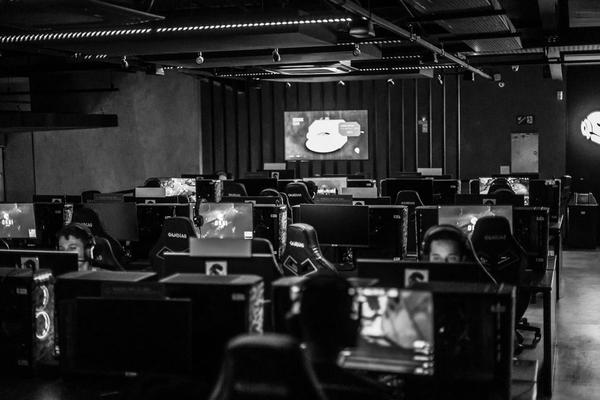
From the outside, professional esports can look like a series of spectacular reactions. A player snaps onto a target, survives a difficult fight or predicts an opponent’s next move. What viewers rarely see is the preparation behind that moment: carefully designed drills, repeated team scenarios and frank discussions about mistakes.
Understanding how esports players train means looking beyond hours spent in a game. Strong teams separate individual skills from coordinated play, then use match evidence to decide what deserves attention next. The precise routine differs between games, roles and tournament schedules, but the underlying process is surprisingly systematic.
Training Starts With a Specific Performance Goal
A useful session begins with a question. Is a player losing opening duels? Does the team struggle to defend an objective? Are late-game decisions rushed? Instead of playing ranked matches indefinitely, a coach or player identifies a problem that practice can actually address.
These goals also shape how progress is measured. A shooter player might track crosshair placement and the quality of first engagements. A multiplayer online battle arena player might review lane positioning, resource timing or decisions around major objectives. Winning a practice match is encouraging, but repeating the right decision is often more informative.
Mechanical Drills Build Reliable Execution
Aim, movement and timing
In tactical shooters such as Counter-Strike 2 or VALORANT, individual practice can involve aiming exercises, movement control, recoil familiarity and angle clearing. Short, focused repetitions help players execute familiar actions without using all their attention on the controls.
Consider a player who repeatedly loses when entering a bomb site. Simply increasing mouse speed may not solve the problem. A more useful drill could involve entering the same angle while keeping the crosshair at likely head height, checking one position at a time and reviewing whether movement made the shot inaccurate.
Other genres demand different mechanics. Fighting-game competitors rehearse movement, defensive responses and punish opportunities. Real-time strategy players refine control groups, production sequences and multitasking. Mechanical esports training is therefore game-specific, not a universal reaction-time contest.
Practice under realistic pressure
A practical gaming practice routine might use a short warm-up, one targeted drill and several competitive rounds with a single focus. Afterward, the player checks whether the intended habit actually appeared in play. More repetitions matter only when they reinforce useful behaviour.
Esports Scrims Test Team Coordination
Scrimmages, usually called scrims, are arranged practice matches against another competitive team. They allow players to test strategies in conditions closer to tournament play than isolated drills. Depending on the game, teams may practise map control, objective setups, rotations, drafting or responses to an opponent’s aggression.
Esports scrims are not always about winning the scoreboard. A roster might intentionally repeat a defensive setup to learn why it fails, or trial a different opening even when the familiar one seems safer. Coaches can assess whether communication and timing hold up when the opposition changes its approach.
Successful coordination depends on shared language. Calls should give teammates information they can act on: an opponent’s location, a missed ability, a possible rotation or a planned timing. Too much talk can be as damaging as silence. Teams review communication alongside the gameplay rather than treating it as an invisible skill.
Replay Reviews Turn Mistakes Into Decisions
After a scrim or official match, players may review recordings, match replays or game-specific statistics. A good review examines the decisions available at the time instead of judging everything by the final result. A risky play can succeed and still be a poor percentage choice; a well-reasoned move can fail.
Imagine a team losing an objective fight. The replay may reveal that one player arrived late, another used an important ability too early and the rest engaged without confirming everyone was ready. Those findings produce concrete follow-up tasks: rehearse the approach, clarify who makes the engage call and practise holding key resources.
Strategy Work Happens Away From the Match
Competitive preparation also includes studying opponents, discussing likely plans and checking what has changed after game updates. Analysts and coaches may examine preferred maps, drafts, tendencies and recurring responses. Players then practise countermeasures rather than trying to memorise every possible situation.
Role-specific preparation matters. An in-game leader may spend extra time on decision trees and mid-round calls, while a support player studies utility timing or coordination with teammates. In a strategy game, a player may test build variations against particular openings. The best pro gamer practice links individual responsibilities to a coherent team plan.
Physical Recovery and Mental Focus Are Part of Training
Long gaming sessions can create fatigue, discomfort and reduced concentration. Sensible routines include movement breaks, comfortable equipment positioning, meals, hydration and adequate sleep. Players may also work with coaches or health professionals on general fitness and managing repetitive strain, especially during demanding competition periods.
Research on exercise and esports performance suggests physical activity can support some cognitive and performance measures, although findings vary by intervention and game. It would be misleading to promise that one workout automatically improves aim. The practical case for exercise is broader: supporting health while sustaining the demands of practice.
Mental preparation matters as well. Players need to reset after a poor round, communicate without blame and continue following a plan under pressure. Some teams use structured debriefs, breathing exercises or sports psychology support. A guide to avoiding gaming burnout can complement mechanical training rather than compete with it.
What Might a Training Day Look Like?
There is no single professional schedule. A tournament week, travel day and ordinary practice day can look very different. As an illustration rather than a prescription, a team might begin with an individual warm-up, discuss the previous day’s replays, play scheduled scrims, take breaks and finish with a brief review of recurring problems.
Frequently Asked Questions
How many hours do professional esports players practise?
Hours vary widely by game, team, season and individual. Some players have lengthy combined sessions of team practice and solo play, but there is no universal daily requirement. Training quality, recovery and clear goals matter more than copying an extreme schedule.
Do esports players only practise by playing matches?
No. Matches reveal problems, while targeted drills, strategy discussions and replay reviews help solve them. Team communication and preparation away from the keyboard are central parts of competitive performance.
Can beginners use professional esports training methods?
Yes, at an appropriate scale. Choose one weakness, practise it briefly, play a few matches and review a relevant moment. A simple method for improving game sense is often more useful than imitating a full-time team calendar.
Why do esports teams review losses?
Losses expose coordination gaps, predictable habits and poor decisions that a final score cannot explain. Reviewing them gives the team specific actions to test in the next practice session.
Putting the Pieces Together
The real answer to how esports players train is that they work on different layers of performance at once. Mechanics make actions dependable; scrims test teamwork; analysis improves decisions; recovery supports consistency. The strongest routines keep those layers connected, so every session has a reason and every lesson has a chance to appear in the next match.